

Field journals have a long history in natural science. Naturalists filled notebooks with sketches, dates, weather notes, and lists of species, and many of those notebooks are still used by researchers today to understand how landscapes have changed. The habit of careful documentation has never gone out of date, but the notebook itself has real limits. Pages get wet, handwriting fades, and searching through years of entries for a single observation can take hours. EcoPlot, developed by MillPont, offers a digital take on the field journal, built for farmers, land managers, ecologists, and anyone who wants a lasting record of the plants, wildlife, and ecosystems around them.
The Paper Notebook Problem
Paper journals are personal and flexible, which is why many people still love them. The trouble starts when the records need to be used. Comparing this spring’s bird sightings with last spring’s means flipping through pages. Linking a note about a wet patch to the right corner of the right field depends on memory. Photos live on a phone, soil reports sit in an email inbox, and the journal holds only part of the story.
For anyone serious about tracking change over time, that fragmentation is the real problem. The observations are valuable, but they are scattered across notebooks, devices, and folders that were never designed to work together.
What a Good Digital Field Journal Needs to Do
A digital journal is only an improvement if it keeps the strengths of paper while fixing its weaknesses. In practice, that means a few things. Entries should be quick to make in the field. Each entry should be tied to a specific location. Photos, sounds, and documents should live alongside written notes. And the whole record should be easy to search and compare across seasons.
These requirements matter for on-farm biodiversity monitoring in particular. Monitoring only works when observations are repeated in the same places and compared over time. A journal that ties every entry to a mapped location makes that comparison straightforward, because there is never any doubt about where a record came from.
Inside EcoPlot’s Approach to Documentation
Notes Anchored to Places
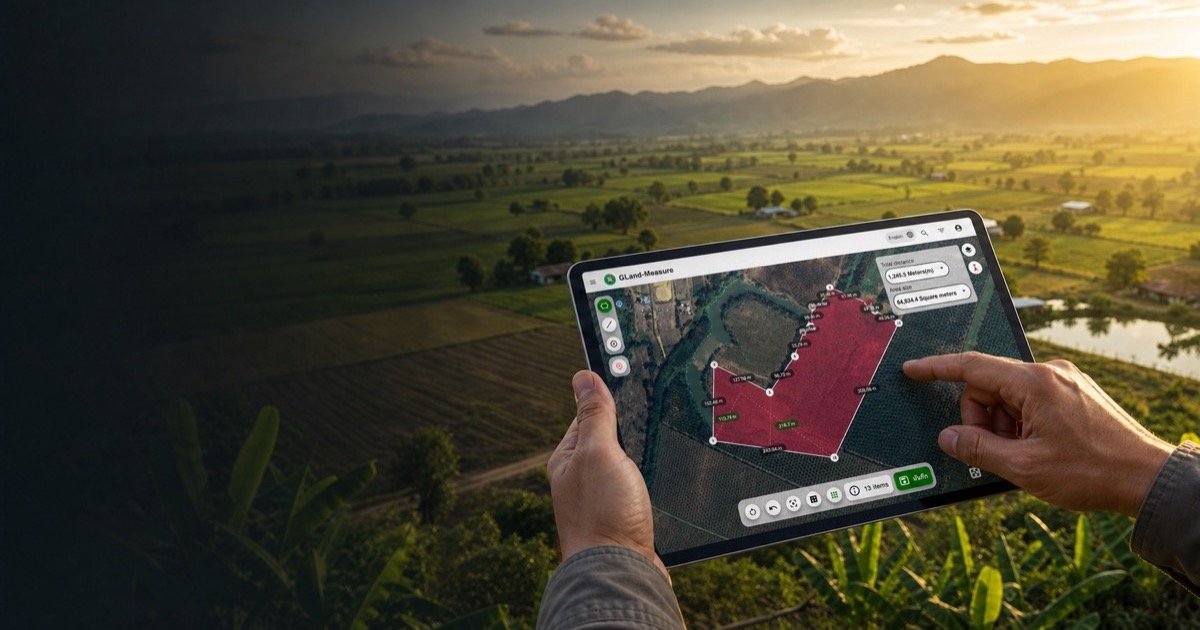
EcoPlot by MillPont starts with a satellite map of the user’s land. Users select their field and parcel boundaries on the map, and journal entries are linked to those areas. A note about seedlings emerging, a record of a hawk hunting over a pasture, or an observation about erosion after heavy rain all stay connected to the place they describe.
This place-based structure also makes EcoPlot useful as a field mapping app for producers, because the map is not just a backdrop. It becomes the organizing framework for every record on the property.
Species Records With Photos and Sound
Alongside written notes, users can record plant and wildlife observations and use the app’s species identification features. EcoPlot also identifies birds and other wildlife by sound. Instead of writing “small brown bird, loud song” and hoping to identify it later, a journal entry can include the recording and a suggested identification.
Soil Reports Beside Observations
Soil information often lives separately from wildlife and plant records, even though the two are closely linked. EcoPlot allows users to upload soil laboratory reports, so soil data can sit in the same record as the plants and animals found on that ground. When a field shows a jump in plant diversity, the soil results from the same area are right there for comparison.
Building a Record That Lasts for Years
The real value of a field journal appears slowly. A single season of notes is interesting. Five seasons of notes become evidence. They show which practices worked, which species returned, and how the land responded to drought, flooding, or changes in management.
Digital records make this long view much easier. Entries can be reviewed by location or date, so comparing one field’s history across several years becomes a matter of minutes rather than hours. That long-term record can support decisions on the farm, applications to stewardship or conservation programs, and conversations with buyers, lenders, or researchers who want evidence of environmental outcomes.
There is also a continuity benefit. Farms and conservation sites change hands, and staff come and go. A well-kept digital journal means the knowledge built up over years does not leave with the person who collected it.
Journals That Double as Habitat Maps
Over time, a location-linked journal starts to work like a habitat map. Clusters of bird records show which hedgerows and tree lines are most important. Pollinator notes highlight the field margins that bloom longest. Records of invasive plants show where problems are spreading.
For conservation staff and landscape managers, this turns the journal into a habitat mapping tool for land managers that grows more detailed with every entry. Patterns that would be invisible in a paper notebook become obvious when observations are viewed on a map. EcoPlot’s community collaboration features also allow observations to be shared, which helps when several people contribute to the same site.
Who Gets the Most From a Digital Journal
Different users value different parts of a digital journal. Farmers and ranchers often care most about linking observations to management. When a note shows that a pasture was rested for a season and the next spring’s record shows more wildflowers and insects, the journal has done its job as a decision-making tool.
Ecologists and environmental researchers tend to value consistency and detail. Records that include dates, exact locations, conditions, and identifications can feed into longer studies or help confirm what is happening on a site between formal surveys.
Landscape managers and park staff often use journals to coordinate work. A shared record of where invasive plants were treated, which areas were replanted, and what wildlife has been seen helps teams avoid duplicating effort and keeps new staff up to date.
Gardeners and nature enthusiasts usually start for the pleasure of it. Over time, though, many find that their journals reveal surprising patterns, such as the same birds returning in almost the same week each year.
Journaling Habits That Make the Data Useful
A digital journal is only as good as the habits of the person using it. A few simple practices go a long way:
- Record conditions, not just sightings. Weather, recent rain, grazing, mowing, and spraying all affect what you see, and a short note explains odd results later.
- Keep regular routes. Walking the same paths at similar times each season makes observations comparable.
- Record absences too. Noting that a species you expected was not there is as informative as recording one that was.
- Review entries each season. Looking back over the past few months often reveals patterns that are easy to miss day to day.
Conclusion
The field journal remains one of the most valuable tools in ecology, and moving it into a digital format solves many of the problems that held paper records back. By linking notes, photos, sound recordings, species identifications, and soil reports to mapped areas of land, EcoPlot gives farmers, land managers, and naturalists a way to document plants, wildlife, and ecosystems in a form they can actually use years later. The habit of careful observation is still the heart of it. The digital journal simply makes sure those observations are not lost.